
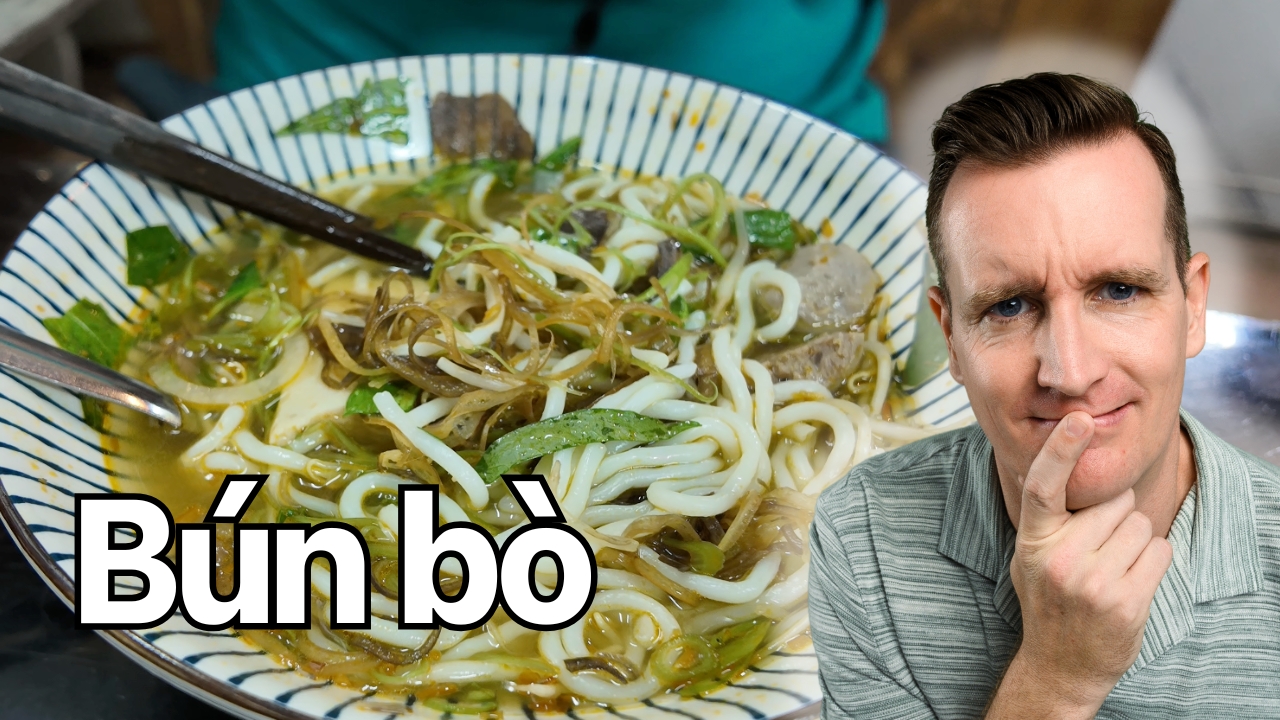
When exploring the vibrant and diverse culinary landscape of Vietnam, certain dishes instantly capture the true essence of the culture, and none do so quite like bún bò. As you wander through the bustling, history-rich laneways of Saigon, such as the historic buildings tucked away on Ton That Dam Street where locals and curious travelers gather for a midday meal, you are bound to encounter the comforting, aromatic pull of this iconic rice noodle and beef dish.ư
The Royal Heritage and History of Bún Bò
To fully appreciate a bowl of bún bò, specifically known as bún bò Huế when referencing its geographical roots, it helps to look back at its rich historical background. Hailing from the historic central city of Huế, the former imperial capital of Vietnam, the dish dates back to the late 16th and early 17th centuries under the rule of the Nguyễn lords.
Because of its birthplace, the dish carries direct influences from the refined, meticulous cooking style of the former royal court. Legend has it that the dish was first engineered by a talented noodle-maker known as Cô Bún from Vân Cù Village, who combined savory beef with a wonderfully complex, spicy broth. Over the centuries, the recipe transitioned from the walls of the royal kitchens out to local markets and street food stalls, eventually spreading across the entire country and becoming a global ambassador for Vietnamese comfort food.
What Makes Bún Bò Special?
Vietnamese cuisine is universally celebrated for its harmonious balance of contrasting flavors, textures, and fresh ingredients, and bún bò stands as a stellar example of this philosophy. While famous noodle soups like phở tend to focus on a clear, delicate aroma, bún bò is celebrated for being bold, robust, and multi-layered.
Part of what makes the dish so unique is its incredible depth of flavor, anchored by a rich, slow-simmered broth. Every single bowl is a complex and texturally dynamic experience, featuring smooth, cylindrical rice noodles paired with generous cuts of meat, savory meatballs or sausage, and an array of fresh, crisp green garnishes.
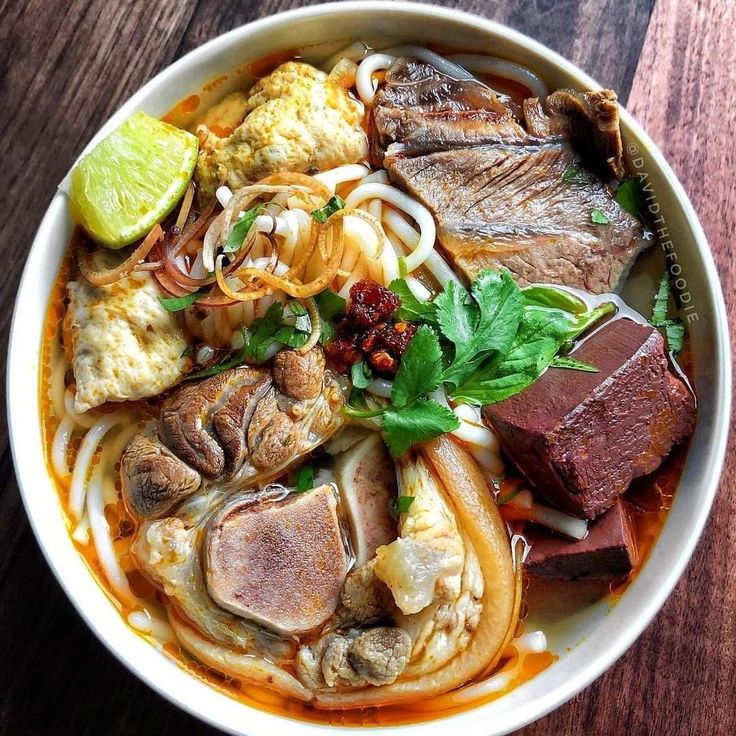
The Ingredients That Bring the Dish to Life
A traditional bowl of bún bò is a masterclass in fresh, locally sourced components. While recipes can vary based on personal preference and regional availability, a proper serving brings together several essential elements:
- The Signature Broth: The absolute soul of bún bò is its deep, slow-simmered stock made from beef bones and pork hocks. What sets it entirely apart is the heavy infusion of smashed lemongrass, fiery chili, and Huế fermented shrimp paste (mắm ruốc), all finished with a vibrant reddish-orange annatto oil.
- Thick Rice Noodles (Bún): Unlike the flat, delicate noodles used in other soups, authentic bún bò relies on thick, cylindrical, and chewy rice vermicelli noodles that hold their structure and absorb the heavy, piping-hot broth exceptionally well.
- Proteins and Meats: A hearty bowl is loaded with options such as thinly sliced beef shank or brisket, chunks of tender oxtail, rich pork knuckles, savory pork or crab meatballs (mọc), traditional Huế-style pork sausage (chả Huế), and occasionally congealed pig blood curds.
- Fresh Greens and Herbs: Vibrant green additions are non-negotiable. Essential components include shredded banana blossoms, which provide an unmatched and unique crunch, bean sprouts, mint, basil, perilla, saw-tooth herb, and sliced water spinach.
- Flavor Enhancers: Citrus elements like calamansi or lime wedges, extra chili satay oil, and diluted shrimp paste allow individual diners to completely customize the acidity, saltiness, and heat level of their soup.
Regional Variations Across Vietnam
As bún bò traveled out of Central Vietnam and spread to other regions, local palates naturally shaped and adapted its preparation:
- In Huế (The Original): Known simply as bún bò locally, the soup is intensely spicy, deeply savory, and overwhelmingly aromatic with fresh lemongrass and authentic local shrimp paste.
- In Saigon (The South): Often labeled bún bò Huế, the Southern variation features a slightly sweeter, richer broth tinted with annatto oil. It frequently incorporates local sausage wrapped in banana leaves and is served with morning glory alongside standard herbs.
- In Hanoi (The North): The Northern variation tones down the intense heat and heavy shrimp paste, opting for a lighter, clearer, and milder broth that relies heavily on the natural sweetness of simmered beef legs and tendons.
Why Bún Bò Is World-Famous
Beyond its unforgettable taste profile, hitting every note of spicy, sour, sweet, salty, and umami, bún bò has earned worldwide fame because it represents the heart and soul of everyday Vietnamese life. Whether you are sitting at a humble local spot hidden inside a decaying historic apartment building in Saigon or pulling up a plastic stool at a street-side stall in Central Vietnam, bún bò bridges the gap between centuries of imperial heritage and modern street culture. It is far more than just a simple meal; it is a profound cultural experience that brings people together, embodying the warmth, history, and vibrant culinary passion that makes Vietnam an absolute paradise for food lovers everywhere.